
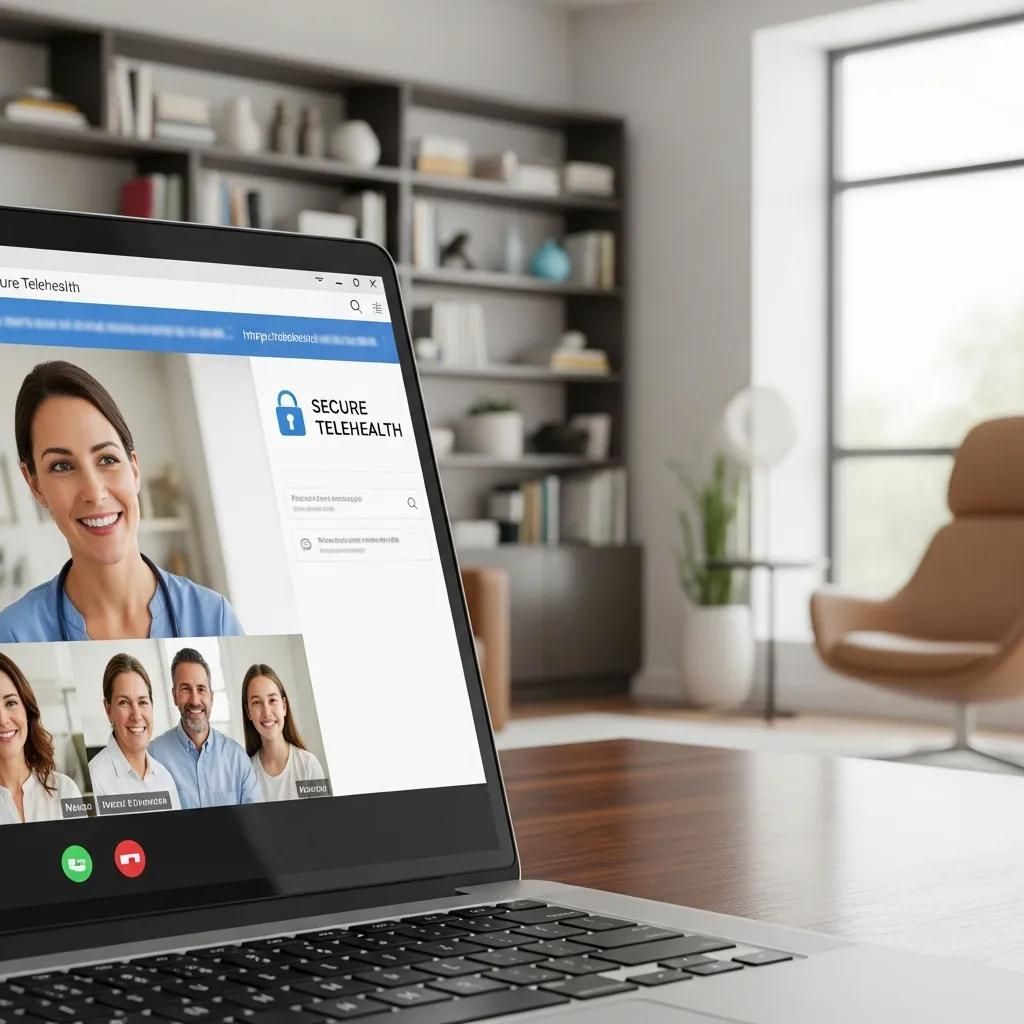
In today's fast-paced world, families often face unique challenges that can impact their mental health and overall well-being. Virtual therapy services provide a convenient and effective solution for families in Florida seeking support. This article explores the comprehensive virtual therapy services available, highlighting the benefits of online family counseling, the operational aspects of telehealth, and specialized support for parenting. Readers will gain insights into how these services can enhance family dynamics and improve mental health outcomes. Additionally, we will discuss insurance and payment options to ensure accessibility for all families.
What Are the Benefits of Family Therapy Online in Florida?
Online family therapy offers numerous advantages that cater to the needs of modern families. The primary benefits include enhanced accessibility, convenience, and effectiveness of therapy sessions. Families can engage in therapy from the comfort of their homes, eliminating the need for travel and allowing for more flexible scheduling. This approach not only saves time but also reduces the stress associated with attending in-person sessions.
How Does Virtual Family Therapy Improve Accessibility and Convenience?
Virtual family therapy significantly enhances accessibility and convenience for families in Florida. With geographical flexibility, families can connect with licensed psychologists regardless of their location. This is particularly beneficial for those living in rural areas or those with mobility challenges. Additionally, the ability to schedule sessions at convenient times allows families to integrate therapy into their busy lives without the added burden of travel. Reduced travel time further contributes to a more relaxed and focused therapeutic experience.
What Mental Health Outcomes Can Families Expect from Telehealth Counseling?
Families engaging in telehealth counseling can expect a range of positive mental health outcomes. Research indicates that online therapy can lead to improved emotional well-being, the development of effective coping strategies, and support for various mental health issues. Many families report enhanced communication and stronger relationships as a result of participating in virtual therapy. These outcomes underscore the effectiveness of telehealth in addressing the unique challenges faced by families today.
Further research consistently supports the effectiveness of telehealth for family therapy, demonstrating comparable or superior outcomes to traditional in-person sessions.
Efficacy of Telehealth for Family Therapy: Evidence-Based Outcomes
Meta-analyses of efficacy for child behavioral problems (k= 8) and parental depression (k= 5) showed equivalent outcomes in TH and face-to-face therapy and enhanced outcomes in TH relative to treatment as usual, resource provision (i.e. written materials), or wait-list control. Narrative review of 20 studies for a range of relational and mental health outcomes aligned with these findings; and (3) therapists defined clear conditions for enhanced engagement and therapeutic process via TH and reflected on cautions and accommodations for purposes of rapport building and mitigating risk. Given moderate-strong evidence for the efficacy of TH methods of family therapy for a range of conditions, we offer recommendations for future implementation of TH for family therapy.
Exploring the efficacy of telehealth for family therapy through systematic, meta-analytic, and qualitative evidence, SA McLean, 2021
How Does Telehealth Counseling for Families Operate in Florida?
Understanding how telehealth counseling operates is essential for families considering these services. The process typically begins with appointment scheduling, where families can choose times that work best for them. Sessions are conducted through secure technology platforms that ensure confidentiality and ease of use.
What Technology Platforms Are Used for Secure Virtual Therapy Sessions?
Various technology platforms are utilized for secure virtual therapy sessions, ensuring that families can engage in therapy safely and effectively. These platforms often include features such as end-to-end encryption, user-friendly interfaces, and accessibility across multiple devices. By prioritizing security and ease of use, these platforms facilitate a seamless therapeutic experience for families.
Maintaining robust privacy and data security measures is paramount to safeguarding family confidentiality and building trust in the digital health environment.
Prioritizing Privacy & Data Security in Virtual Family Therapy
This editorial emphasizes the need for marriage and family therapists to actively engage in the development and regulation of digital health tools to ensure that privacy and data security are prioritized, thereby safeguarding family confidentiality and maintaining trust in a digital age.
Privacy and data security in digital health: Implications for family therapy, E NS Lockhart, 2025
How Are Licensed Psychologists Qualified to Provide Online Family Therapy?
Licensed psychologists providing online family therapy must meet specific qualifications and certifications. They typically hold advanced degrees in psychology and have completed extensive training in telehealth practices. This ensures that they are equipped to address the unique dynamics of family therapy in a virtual setting, providing effective support tailored to each family's needs.
Despite current qualifications, there is an ongoing call for the establishment of consistent, uniform standards of practice for mental health providers engaging in telehealth to ensure optimal client care.
Establishing Telehealth Standards for Virtual Family Counseling
Currently, mental health providers conducting therapy virtually are not required to be trained in telehealth and are operating without consistent uniform standards of practice. This manuscript pulls from the current literature and guidelines across counseling, psychology, psychiatry, family therapy, and social work to provide a Proposed Standards of Practice for Telehealth. Such standards benefit mental health counselor by grounding practice in common aims and benefits out clients by creating a unified framework for providers engaging in telehealth with their clients.
Telehealth best practice: A call for standards of care, DS Sheperis, 2021
What Specialized Support Does Virtual Parenting Support in Florida Offer?
Virtual parenting support services in Florida offer specialized assistance to families navigating parenting challenges. These services provide resources and strategies to help parents manage various family dynamics effectively.
How Do Online Services Address Parenting Challenges and Family Dynamics?
Online services address common parenting challenges by offering tailored strategies and resources. Families can access expert advice on topics suchs as communication, discipline, and emotional support. This guidance helps parents foster healthier family dynamics and navigate the complexities of raising children in today's world.
Which Insurance and Payment Options Are Available for Online Mental Health Services in Florida?
Understanding the insurance and payment options available for online mental health services is vital for families seeking support. Many insurance plans now cover telehealth services, making it more accessible for families to receive the help they need.
Does Insurance Cover Telehealth Family Therapy Sessions?
Insurance coverage for telehealth family therapy sessions varies by provider, but many plans now include telehealth services as part of their mental health benefits. Families should check with their insurance providers to understand the specifics of their coverage, including any copays or deductibles that may apply.
What Are the Payment Methods and Policies for Remote Family Counseling?
Payment methods for remote family counseling typically include credit cards, health savings accounts (HSAs), and flexible spending accounts (FSAs). Many providers also offer sliding scale fees based on income, ensuring that services remain affordable for all families. Understanding these payment options can help families make informed decisions about their mental health care.
Expert Insight from a Florida Mental Health Practitioner
"Virtual family therapy has transformed the way we support families across Florida, breaking down barriers of distance and scheduling. It allows us to meet families where they are, providing tailored interventions that respect their unique circumstances and cultural backgrounds. The flexibility and accessibility of telehealth have been crucial in maintaining continuity of care, especially during challenging times."— Dr. Maria Gonzalez, Licensed Clinical Psychologist, Miami, FL
Frequently Asked Questions
What types of issues can virtual family therapy help address?
Virtual family therapy can assist families in addressing a wide range of issues, including communication problems, conflict resolution, parenting challenges, and emotional distress. It is also effective for families dealing with mental health conditions such as anxiety, depression, and behavioral issues in children. By providing a safe space for open dialogue, virtual therapy helps families develop coping strategies and improve their overall dynamics, making it a versatile option for various family-related concerns.
How can families prepare for their first virtual therapy session?
To prepare for their first virtual therapy session, families should ensure they have a quiet, comfortable space with minimal distractions. It’s helpful to discuss any specific issues or goals they want to address during the session. Additionally, families should test their technology beforehand to ensure a smooth connection and familiarize themselves with the platform being used. Having an open mindset and being ready to engage in honest communication can also enhance the effectiveness of the session.
Are there age restrictions for children participating in virtual family therapy?
There are generally no strict age restrictions for children participating in virtual family therapy; however, the approach may vary based on the child's age and developmental stage. Therapists often tailor their methods to suit younger children, using play therapy techniques, while older children and teenagers may engage in more direct discussions. Parental involvement is typically encouraged, especially for younger children, to facilitate communication and support throughout the therapeutic process.
What should families do if they experience technical issues during a session?
If families encounter technical issues during a virtual therapy session, they should first try to troubleshoot the problem, such as checking their internet connection or restarting the device. If the issue persists, they can contact the therapist or the support team of the telehealth platform for assistance. It’s also advisable to have a backup plan, such as a phone number to call in case the video connection fails, ensuring that the session can continue without significant disruption.
How can families evaluate the effectiveness of virtual therapy?
Families can evaluate the effectiveness of virtual therapy by reflecting on their progress towards the goals set during sessions. They should consider improvements in communication, emotional well-being, and overall family dynamics. Regular check-ins with the therapist can also provide insights into the therapeutic process. Additionally, families may notice changes in their ability to cope with challenges and resolve conflicts, which can be indicators of successful therapy outcomes.
What are the privacy measures in place for virtual therapy sessions?
Privacy measures for virtual therapy sessions typically include the use of secure, encrypted platforms that protect client information. Therapists are required to adhere to confidentiality guidelines and ethical standards to safeguard family privacy. Families should inquire about the specific security protocols used by their therapist, such as data encryption and secure login procedures, to ensure their information remains confidential during and after the therapy process.
Conclusion
Engaging in virtual family therapy offers families in Florida a convenient and effective way to enhance their mental health and strengthen family dynamics. With improved accessibility, tailored support, and the ability to connect with licensed professionals, families can navigate their challenges more effectively. Understanding insurance and payment options further ensures that these vital services are within reach for all. Take the first step towards a healthier family today by exploring our virtual therapy services.